Are you wondering if a single-family rental in Post Falls still pencils out? With headlines shifting and borrowing costs in flux, it is smart to look past noise and run the numbers the right way. You want steady demand, manageable vacancy, and a clear path to returns over your hold period.
In this guide, you will learn what drives rental demand in Post Falls, how to gauge rents and vacancy, what cap rates and expenses to expect, and how integrated management-to-sales support can protect your returns. You will also get a simple action plan to test any deal before you buy. Let’s dive in.
Post Falls demand drivers
Post Falls sits between Coeur d’Alene and Spokane, so it draws renters who work in either direction and want suburban single-family living. Population growth and job trends are the core demand engines. You can track local growth in the U.S. Census Bureau’s Kootenai County data to see how households are changing and which age groups are rising. The county’s profile on U.S. Census QuickFacts is a solid starting point.
Employment trends also matter. Proximity to regional employers and commute routes supports rental demand and reduces long-term vacancy risk. For current industry and labor data, review the Idaho Department of Labor’s labor market information. sustained job growth tends to support asking rents, while layoffs can slow absorption and increase marketing days.
Supply is the other side of the equation. If new construction slows or permitting tightens, existing rentals face less competition. If new subdivisions deliver a wave of inventory, pricing power softens. You can monitor permitting and inspection activity on the City of Post Falls building and permits page.
Idaho’s statewide environment currently has limited rent-control policy, though you should keep an eye on any city or county updates that may affect leasing, screening, or rent practices. Local policy shifts can change risk and returns.
Rents and vacancy in context
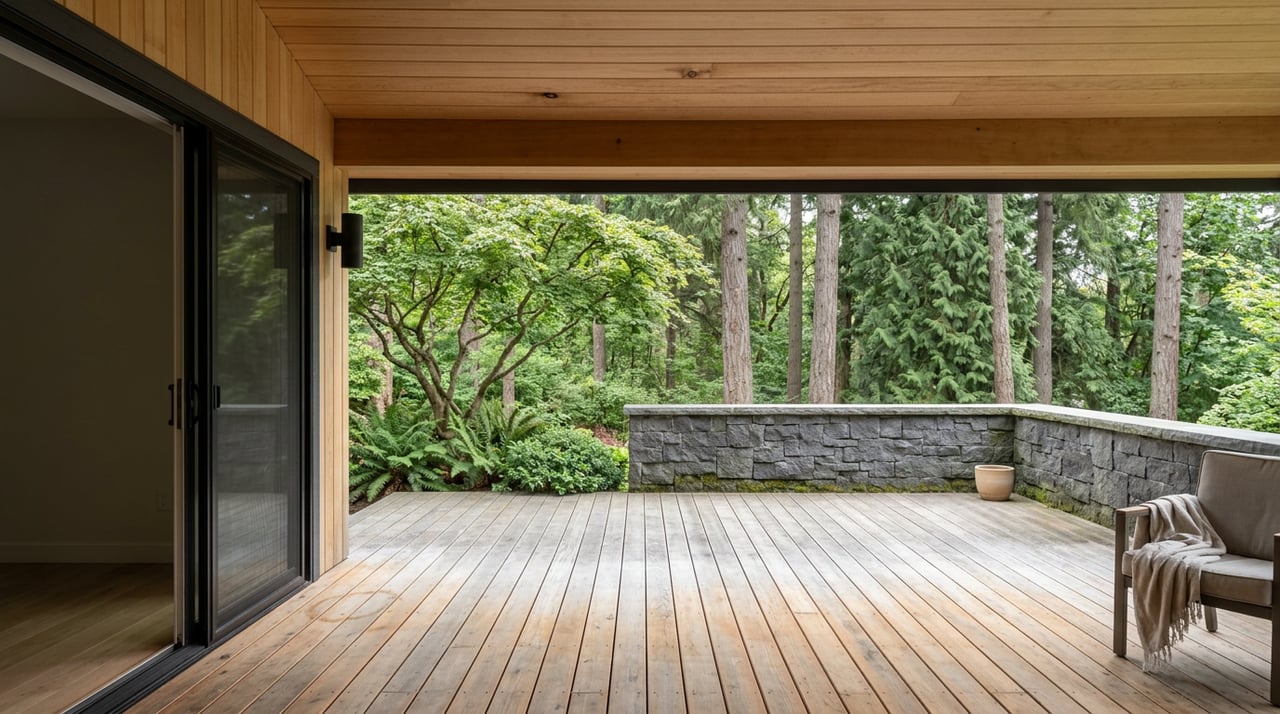
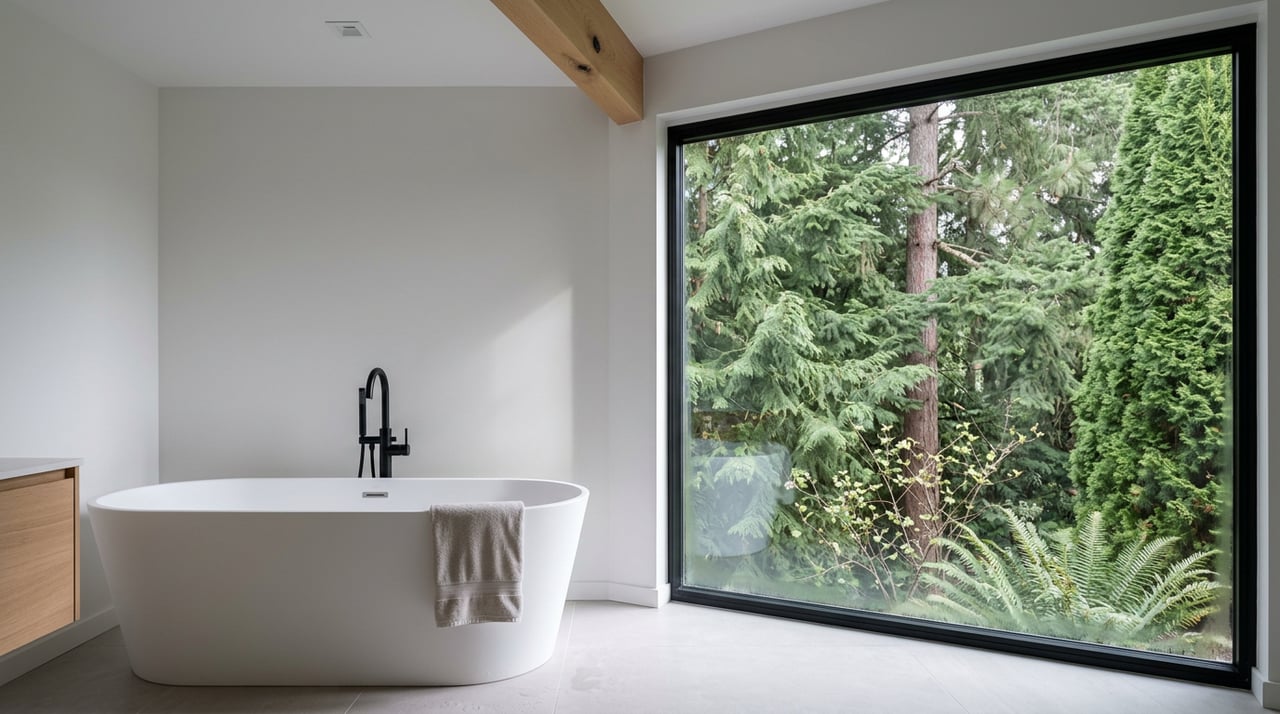
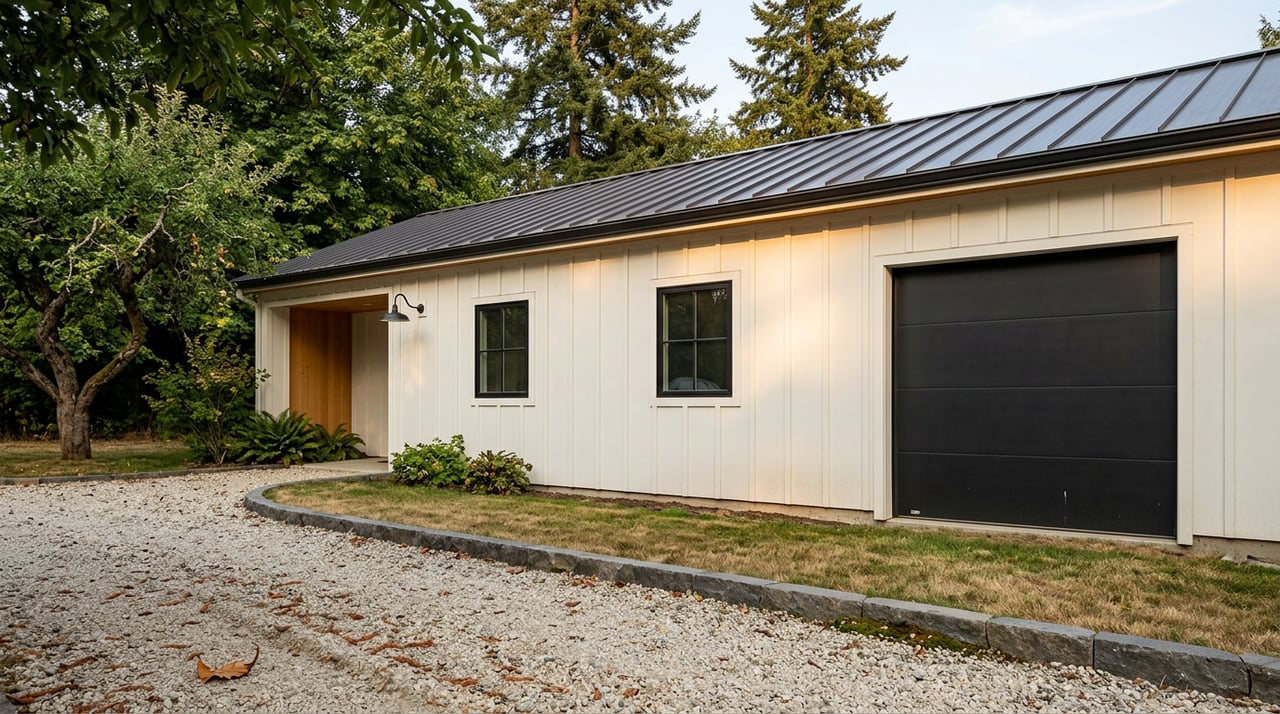
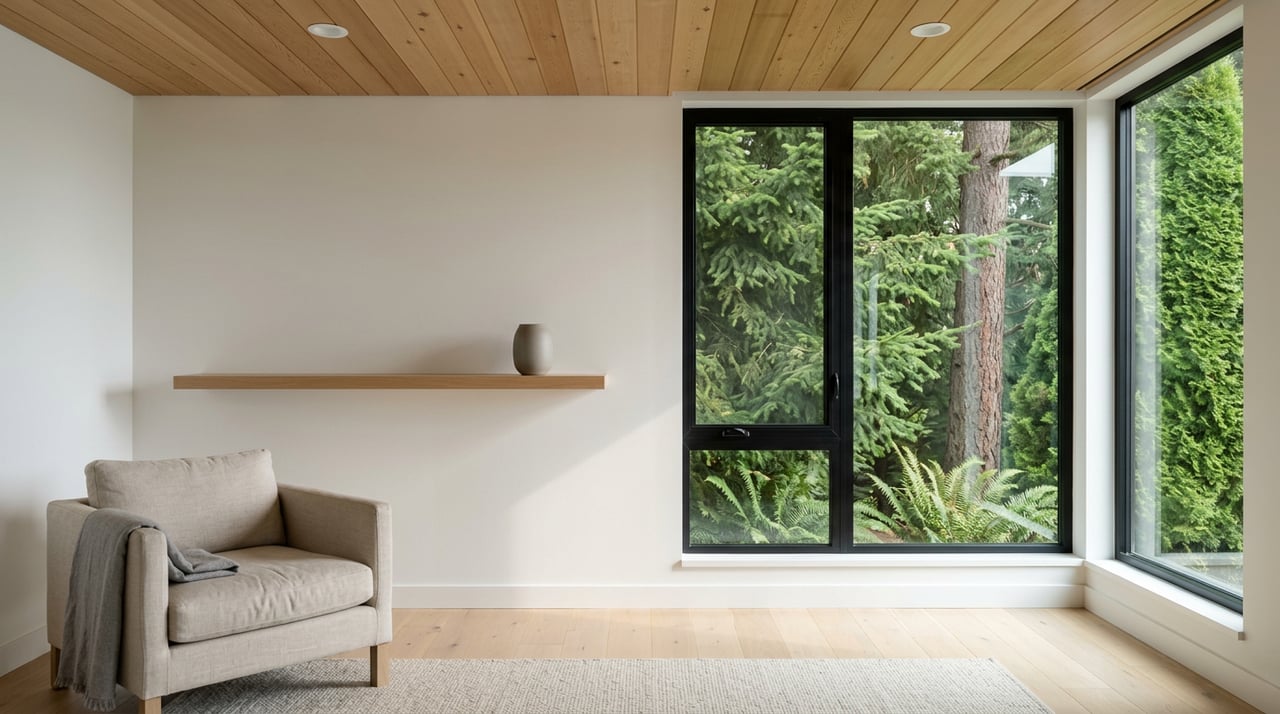
Single-family rentals in Post Falls typically range from 2 to 4 bedrooms with a garage and yard. Rents vary by age and condition of the home, renovation level, proximity to key commute corridors, and whether homes are offered furnished or with utilities included. A refreshed 3-bed with modern finishes often commands a premium over a dated home, even on the same street.
Because SFR markets are dynamic, use multiple data points. Compare active asking rents on public listing sites with real leased rates from local property managers. Trend tools like city-level rent indices can confirm direction, but the most accurate picture comes from what leased in the past 30 to 90 days for similar homes.
On vacancy, conservative investors in markets like Post Falls often use 5 to 8 percent for stabilized assumptions. That range reflects typical turnover and marketing time when you keep the home in good condition. If the property needs renovation or the economy softens, a safer underwriting band is 8 to 12 percent. Seasonality and school-year timing can affect move cycles, so plan your lease expirations with that in mind.
How to price your target rental
Use this quick process before you write your first offer:
- Collect 10 to 20 active and recent SFR rental comps in Post Falls. Focus on 2 to 4 bed homes with similar age, square footage, and features. Note list price, days on market, and any concessions.
- Call 2 to 3 local property managers to confirm what they are achieving on similar homes and how many days they need to fill a vacancy. Ask about any common concessions.
- Adjust for condition. Newer roofs, HVAC, updated kitchens and baths, and clean yards can add real rent. Dated systems or deferred maintenance can shave demand and extend vacancy.
- Set a conservative rent for underwriting and a separate upside case. Stress-test your numbers at both levels to see sensitivity.
Underwriting the returns
Cap rates and cash flow in Post Falls vary by street, condition, and competition. As a working band for single-family rentals in smaller but fast-growing Western markets, you can expect cap rates roughly in the mid to upper range for similar small markets, often about 4 to 7 percent depending on condition and pricing. Always anchor your number to real comps and actual expenses.
Here are the key line items to include:
- Gross scheduled rent: market monthly rent times 12.
- Vacancy and credit loss: 5 to 8 percent for stabilized assets; higher for rehab projects or uncertain demand.
- Property management: plan for 8 to 12 percent of effective gross income if you hire full-service management.
- Repairs and maintenance: budget 6 to 12 percent of gross rent. Newer homes trend lower; older homes higher.
- Property taxes: verify current and projected tax amounts with the Kootenai County Assessor. Effective rates can vary with assessments and local levies.
- Insurance: get a local quote. Many investors budget 800 to 2,000 dollars or more per year for a single-family home, depending on coverage.
- Utilities: include any owner-paid water, sewer, or garbage if applicable.
- Capital reserves: set aside 300 to 1,200 dollars per home per year for major systems like roof and HVAC.
Net Operating Income equals effective gross income minus operating expenses. Cap rate equals NOI divided by purchase price. Your cash-on-cash return will depend on your interest rate, loan-to-value, and closing costs.
A simple example to test a deal
This is an illustrative method, not a specific property recommendation:
- Start with a market rent of 2,000 dollars per month. Annual gross rent equals 24,000 dollars.
- Use 6 percent vacancy. Effective rent equals 22,560 dollars.
- Set total operating expenses at 45 percent of effective rent. Expenses equal 10,152 dollars.
- NOI equals 12,408 dollars. On a 300,000 dollar purchase price, the cap rate is about 4.1 percent.
Change any input and your returns move. A small rent bump, a lower price, or a one-month vacancy swing can materially shift cap rate and cash-on-cash. Build a range and decide your required return before you tour homes.
Hold strategies that fit Post Falls
You have several viable playbooks in this market. Pick one and underwrite to it:
- Long-term buy and hold: focus on durable tenant demand, gradual rent growth, and low turnover. Keep maintenance preventive to protect NOI and future resale value.
- Value-add and hold: complete light renovations that raise rent, then stabilize. Budget higher vacancy and capex during the work period.
- BRRRR: after rehab and lease-up, refinance to recycle capital. You will need strong rent comps and a local lender comfortable with SFR valuations.
- Shorter hold: buy at a discount, complete improvements, then sell if appreciation outpaces rent growth and exit liquidity is strong.
Sales timing, days on market, and the buyer pool also matter. Track how investor-friendly single-family homes are trading in Kootenai County and who is buying. 1031 exchange buyers, small local owners, and occasional institutional buyers can all affect pricing and speed.
Why management-to-sales continuity matters
Returns are about more than rent. Integrated management-to-sales support can add real dollars at each step of ownership:
- Faster leasing reduces vacancy: A manager who knows the local rent bands and marketing channels can cut days on market and limit concessions. Fewer empty days raise effective income and NOI.
- Smarter maintenance preserves value: Preventive schedules and trusted local trades help limit surprise repairs and expensive emergencies. That steadier cost profile supports cash flow and keeps the home show-ready when you decide to sell.
- Better documentation reduces friction: Clean leases, rent rolls, and maintenance logs make refinancing and buyer due diligence easier. That can bring a wider buyer pool and better offers.
- Smoother exits: Coordinated pre-sale repairs, tenant notices, and property prep can compress time to market and protect sale price.
Management fees reduce gross income, but in many cases they can increase net returns by trimming vacancy and repair waste while protecting resale value. Run your model with and without professional management to see how vacancy, leasing costs, and maintenance assumptions change your cash-on-cash and IRR.
Risks to watch and how to hedge
- Supply swings: If nearby subdivisions deliver a lot of new product at once, be ready to adjust pricing and offer better presentation. Keep an eye on the City of Post Falls permits to anticipate shifts.
- Economic soft patches: Track local employment data on the Idaho Department of Labor’s site. Keep extra reserves if layoffs appear in major sectors.
- Policy changes: Idaho currently has limited rent-control policy, but changes to screening, notice periods, or other local rules can occur. Stay informed and update leases accordingly.
- Interest rate moves: If you plan to refinance, rate changes can alter cash flow even if rents rise. Stress-test your debt terms.
Action plan: test your next Post Falls deal
Use this checklist to decide if a rental in Post Falls is a smart buy for you right now:
- Validate demand
- Pull recent population and household figures for Kootenai County from U.S. Census QuickFacts.
- Review local job and industry trends on the Idaho Department of Labor.
- Pin down rent and vacancy
- Gather 10 to 20 recent single-family rental comps in Post Falls and confirm with 2 to 3 local property managers.
- Underwrite vacancy at 5 to 8 percent if stabilized, higher if the property needs work.
- Confirm expenses
- Call your insurance agent for a property-specific quote.
- Verify taxes with the Kootenai County Assessor and estimate utilities if any are owner-paid.
- Set management at 8 to 12 percent and maintenance at 6 to 12 percent of rent.
- Run the model
- Build base, conservative, and upside cases for rent, vacancy, and price. Check cap rate, cash-on-cash, and reserves.
- Stress-test your exit. If cap rates expand or marketing days rise, does the deal still work?
- Monitor supply
- Review recent permits and planned deliveries on the City of Post Falls building and permits page.
If you want local eyes on rent comps, vacancy timing, and practical leasing conditions, connect with a team that manages and sells in Kootenai County every day. When you are ready to move from analysis to action, reach out to Chelsea Carpenter Hosea | Citrine Properties to talk through a property strategy that fits your goals.
FAQs
Are Post Falls single-family rentals still cash flow positive?
- It depends on price, condition, and debt terms. Typical underwriting uses 5 to 8 percent vacancy and expects cap rates around 4 to 7 percent for SFRs, with expenses for management, maintenance, taxes, and insurance fully included.
What vacancy rate should I use when underwriting in Post Falls?
- For stabilized homes, 5 to 8 percent is a common assumption. If a home needs renovation or the economy softens, use 8 to 12 percent until it is stabilized.
How do I estimate property taxes and insurance in Kootenai County?
- Verify taxes with the Kootenai County Assessor. For insurance, request a local quote; many investors budget 800 to 2,000 dollars or more per year depending on coverage.
What cap rate should I target in Post Falls?
- As a working range for SFRs in smaller, fast-growing Western markets, about 4 to 7 percent is common. Always confirm with recent sales comps, real operating expenses, and your risk tolerance.
Where can I find reliable data on local growth and jobs?
- Use U.S. Census QuickFacts for Kootenai County for population and households, and the Idaho Department of Labor for employment and industry trends.