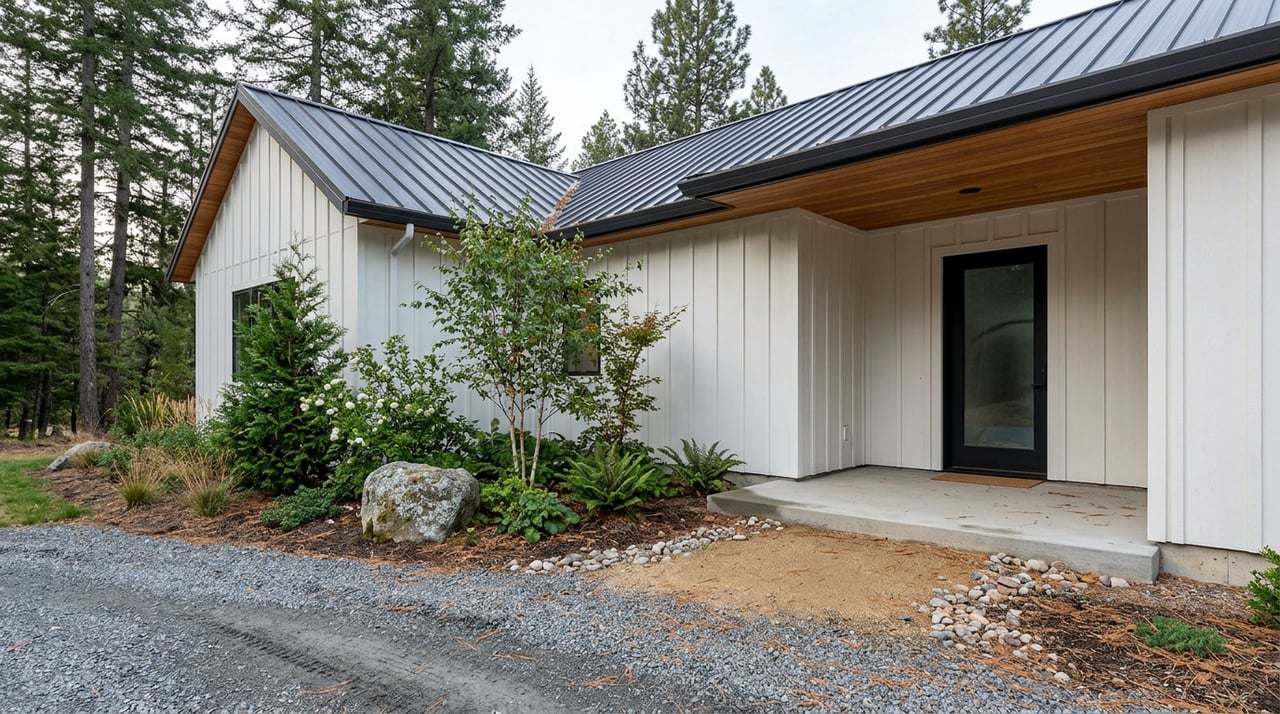
Imagine waking up to blue water and evergreens, then being in Sandpoint in minutes. That is the Sagle promise. If you are eyeing lakefront or wooded acreage here, the details matter. The right homework on docks, wells, septic, access and winter realities will save you time and money. This guide gives you the essentials, the quick checks to run, and how to read Sagle lots with confidence. Let’s dive in.
Sagle at a glance
Sagle sits about 5 to 7 miles south of Sandpoint and includes pockets of Lake Pend Oreille shoreline like Garfield Bay and Bottle Bay. It is rural, quiet and forested, with a mix of waterfront homes and larger inland parcels. Sagle’s location and context make it popular with buyers who want privacy without giving up town access.
Waterfront is limited and carries a premium. Recent waterfront listings in Garfield Bay included small fractional acre lots and high end homes, including an early March 2026 example near two side by side homes priced around 5.8 million. Inland acreage is more available and offers a wider range of size, topography and price.
What to expect checklist
Before you tour or write an offer, confirm these five items:
- Dock and shoreline: Ask for Idaho Department of Lands encroachment permits, leases and any assignment forms for existing docks or bank work. Start with the IDL encroachment page.
- Flood zone: Check Bonner County’s NFIP resources for any Special Flood Hazard Area and Base Flood Elevation. Use the county’s floodplain information page.
- Septic and well: Request the septic permit file and IDWR well log. If records are missing, plan for site evaluation and testing. Idaho’s Technical Guidance Manual outlines standards and design basics.
- Road access and plowing: Verify who maintains the road and driveway, how winter plowing works, and if there is a road agreement or HOA. See county winter guidance and private road standards.
- Wildfire risk: Ask about defensible space, local fire district coverage and insurance requirements. Local agencies encourage seasonal preparedness and fuel reduction.
Waterfront essentials
Low bank vs steep bank
Not all shoreline is equal. Low bank or level waterfront gives you easier, safer access, often found in pockets like Garfield Bay or Sourdough Point. Steeper or rocky banks can require long stair runs or engineered access, which raises build and maintenance costs. When you review a listing, focus on usable shoreline footage and how you will actually reach the water, not just total lake frontage on a plat.
Usable waterfront vs water view
You will see many homes with water views. That does not mean you can launch a kayak from your yard or install a dock. Ask for exact shoreline feet, photos of access points, and any stabilization like riprap or bulkheads. Walk the bank if possible and confirm how you will use the shoreline in every season.
Docks and permits
Owning the upland lot does not automatically give you the right to a dock. Idaho Department of Lands regulates docks, boathouses and bank work on navigable waters. Always request the current IDL encroachment permit or lease, plus any assignment forms if the seller plans to transfer rights. Start with IDL’s guidance on encroachments and assignments.
Floodplain and stabilization
Some waterfront parcels sit within mapped flood zones, which can trigger lender required flood insurance and higher build elevations. Check parcel specific status on Bonner County’s floodplain resources. If the shoreline is eroding, review IDL’s handouts on stabilization methods before you assume you can add riprap. Permits can take time and may require neighbor notice.
Acreage and wooded parcels
Parcel types and terrain
Away from the lake, Sagle offers small ranchettes, hobby farms and larger timbered tracts. Many parcels are forested with rolling or steep sections. Expect well and septic on most sites. Driveway grades, turnarounds and easements deserve a close look, especially if you plan to haul boats, trailers or building materials.
Utilities and broadband
Electric service is widespread, but some remote lots need private line extensions or upgrades. Propane is common for heat. Broadband varies by pocket. Some areas have fiber, while others rely on fixed wireless, DSL or satellite. Test speeds at the property and get written estimates for any utility extensions before you close.
Septic feasibility and well yield
For a resale home, ask the seller for the septic permit file, drainfield map and any repair history. For raw land, confirm soils, setbacks and space for both a primary and replacement drainfield. On small or rocky waterfront lots, septic placement can be the limiting factor. Wells vary in depth and yield. Ask for the well log and a recent pump test if available. Idaho’s Technical Guidance Manual and Panhandle Health District standards set the rules that designers and installers must follow.
Access, roads and winter realities
County roads vs private roads
Sagle Road, Garfield Bay Road and Lakeshore Drive are county maintained, but many subdivisions and acreage tracts rely on private roads or easements. Private roads must meet county standards when platted, and owners or HOAs typically handle maintenance. Review recorded road maintenance agreements and the county’s private road standards to understand your obligations.
Snow, ice and driveways
County crews plow county roads, but they do not plow private roads or long driveways. Ask neighbors or the seller about plow contractors, equipment needs and realistic travel times after storms. Bonner County explains seasonal plowing practices and right of way rules in its Road and Bridge updates. If a driveway is steep, plan for traction surfaces, drainage and storage areas for snow.
Rentals, zoning and covenants
Short term rental permits
If you plan to offset costs with vacation rental income, confirm Bonner County’s vacation rental permit process and standards for occupancy, parking and septic. Permits are issued to the owner and must comply with BCRC 12 484. You can review a public summary of the rules in the Bonner County Daily Bee legal notice. HOA covenants may add further limits.
Setbacks, easements and build envelopes
Zoning, shoreline setbacks and recorded easements shape where you can build, where the drainfield can go and how you access the site. Order a current survey when possible. Confirm all recorded encumbrances early to avoid design surprises.
Insurance, taxes and long term care
Wildfire and defensible space
Much of Sagle sits in the wildland urban interface. Local fire districts and state agencies encourage fuel reduction and seasonal readiness. Budget for ongoing thinning, ladder fuel removal and fire resistant landscaping. For context on seasonal preparation, see the Daily Bee’s coverage of wildfire readiness efforts.
Waterfront upkeep and erosion
Docks need periodic repair or replacement. Some permits require seasonal removal or specific piling designs. Bank stabilization and riprap also age. Use IDL’s encroachment resources to understand permit triggers and timelines, then get contractor estimates before you commit.
Insurance and property taxes
Waterfront and forested parcels often carry higher premiums because of wind, water and wildfire exposure. Insurers may ask for defensible space improvements or dock documentation. Property taxes vary by district and levy. Confirm current assessments with the county assessor and ask the local fire district about any voter approved levies.
Your Sagle buyer game plan
- Define your must haves. Decide whether low bank waterfront or larger inland acreage matters more to you. Rank dock access, privacy, winter access and internet speed.
- Pull the records first. Ask for the IDL dock file, floodplain info, septic permit file and well log before you tour.
- Walk the site. Test access, look at the bank, find the drainfield and replacement area, and picture snow storage and turnarounds.
- Call the utilities. Confirm electric, gas and broadband availability and any costs to extend service.
- Verify road obligations. Read any road agreement or HOA rules. Ask how plowing works when it dumps.
- Price with local comps. For waterfront, value per usable shoreline foot and bank type are key. Use recent sales in Garfield Bay, Sourdough Point and similar pockets.
- Plan for maintenance. Budget for dock work, shoreline care, septic pumping, well service and annual fuel reduction.
If you want a local sounding board as you sort options, we are here to help. Whether you are comparing lakefront lots or weighing the tradeoffs on larger acreage, we can help you structure due diligence around the items that matter most in Sagle. Explore public parks and access around Lake Pend Oreille using the Sandpoint lake and park guide, then let us know what caught your eye.
Ready to talk through your shortlist or build a search that fits your goals and timeline? Reach out to Chelsea Carpenter Hosea | Citrine Properties for a straightforward plan for buying in North Idaho.
FAQs
What should a first time Sagle waterfront buyer check before making an offer?
- Verify the IDL dock or encroachment permit, flood zone status, septic permit file and well log, plus who maintains the access road and how winter plowing works.
How do I know if a Sagle property is in a flood zone on Lake Pend Oreille?
- Use Bonner County’s online floodplain resources to check if the parcel is in a Special Flood Hazard Area and to identify the Base Flood Elevation for building.
Are short term rentals allowed on Sagle lakefront homes?
- Bonner County requires a vacation rental permit with standards for occupancy, parking and septic, and HOA covenants may add restrictions, so confirm both early.
What is the difference between water view and usable waterfront in Sagle?
- Water view means you can see the lake, while usable waterfront means you have safe, practical access to the water and, if applicable, a permitted dock or beach area.
Who plows private roads and long driveways in Sagle during winter?
- Owners, HOAs or road associations typically handle private road and driveway plowing, so ask about contractors, costs and response times before you buy.
How do septic and well systems affect small Sagle lake lots?
- Limited space and rocky soils can constrain drainfield placement and well yield, so get the septic permit file, confirm a replacement area and review the well log.
What ongoing maintenance should I expect on a Sagle waterfront home?
- Plan for dock inspections and repairs, shoreline stabilization upkeep, seasonal winterizing, regular septic pumping, well service and vegetation management for wildfire.