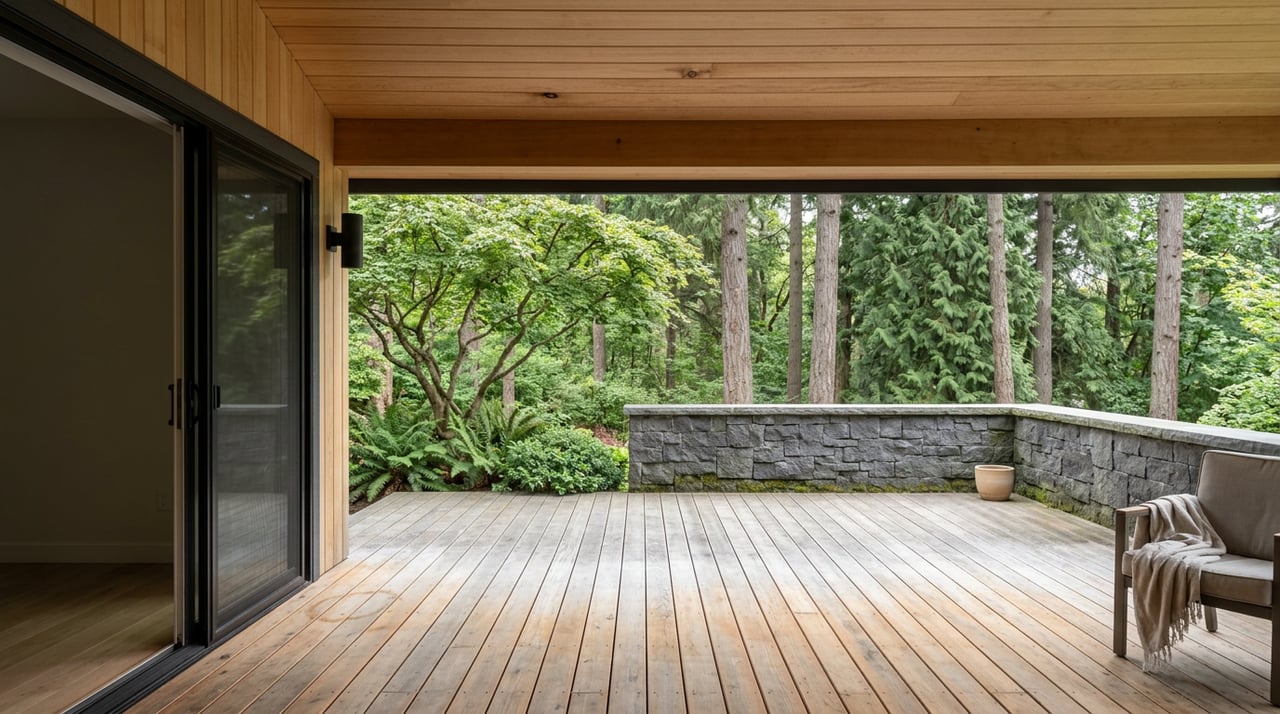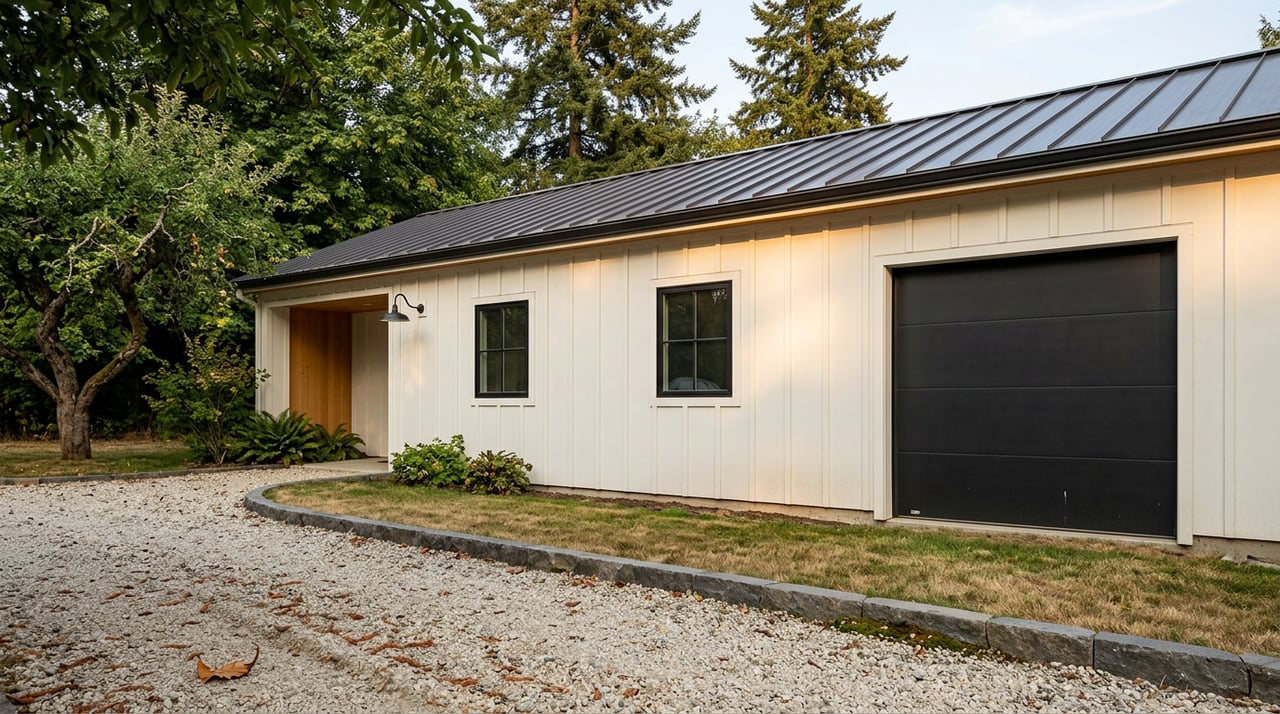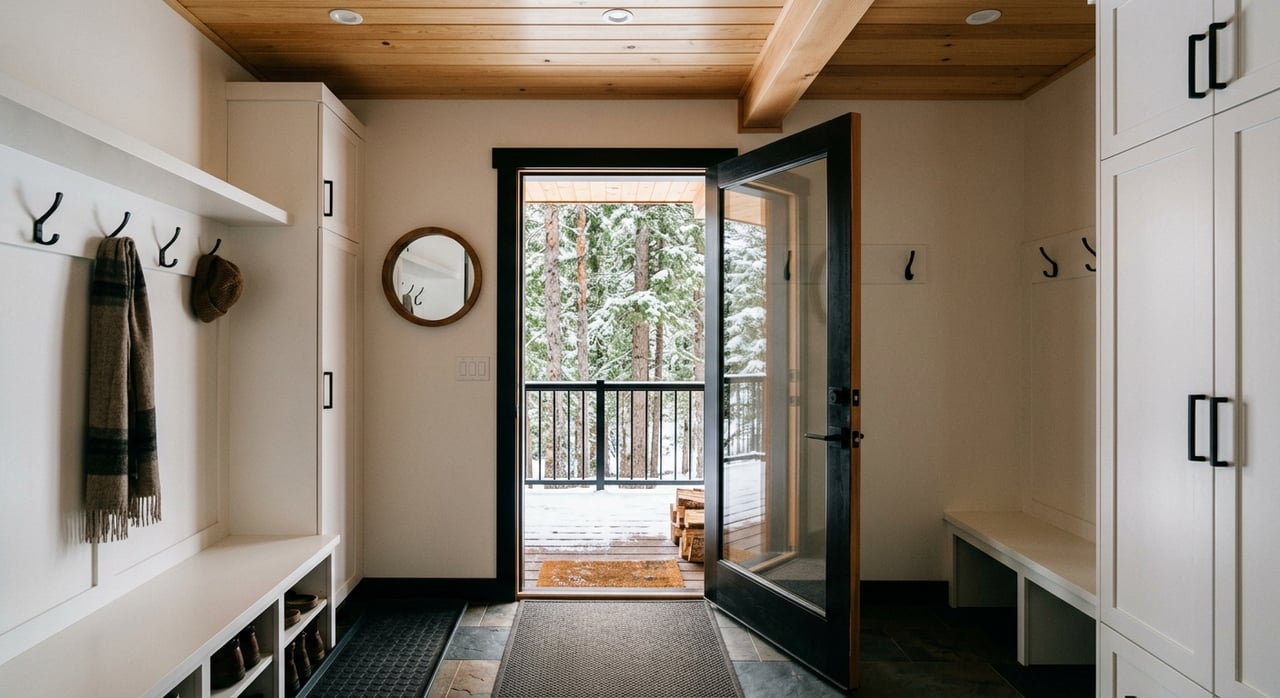
If you own a seasonal home around Sandpoint, you already know the appeal: four true seasons, mountain views, and easy access to the lake and outdoors. You also know that a home sitting vacant part of the year needs a different care plan than a full-time residence. With long winters, freezing temperatures, wet late-fall weather, and dry summer conditions, a little planning can help you avoid expensive surprises. Let’s walk through the essentials.
Why seasonal-home care matters in Sandpoint
Sandpoint’s climate creates a very specific maintenance rhythm. Long-term local climate records show cold winters, a short growing season, wetter late-fall and winter months, and much drier midsummer conditions, according to NOAA climate data for the Sandpoint Experimental Station and a USGS summary of the area.
For you as a second-home owner, that usually means planning for freeze protection in fall and winter and wildfire readiness in summer. It also means shoulder seasons, especially spring and fall, are the best times to inspect the property and catch small issues before they grow.
Build your care plan by season
Fall closing tasks
If your home will be vacant during colder months, fall is the time to act. Climate data for Sandpoint shows winter lows in the 20s and December temperatures near freezing, which is why winterizing before sustained cold arrives is so important, based on local climate averages.
For short absences, official guidance says you may be able to leave the heat on at a low setting and take smaller precautions. The Portland Water Bureau winter guidance recommends disconnecting hoses, insulating outdoor faucets, opening sink cabinet doors, and allowing a slight drip when temperatures fall below freezing.
For extended vacancy, a fuller shutdown is the safer move. Guidance cited by Bellevue and Portland recommends turning off the main water shutoff, turning off the water heater, opening faucets to drain pipes, and draining irrigation systems for homes that will sit unheated for longer periods.
A practical fall closing checklist often includes:
- Shut off and drain water lines for extended vacancy
- Turn off or service the water heater as appropriate
- Drain or winterize irrigation systems
- Disconnect garden hoses
- Insulate outdoor faucets
- Check caulking and weatherstripping
- Clear gutters and roof debris
- Trim trees and branches near the home
- Confirm smoke alarms and carbon monoxide detectors are working
Winter monitoring tasks
Winter storms in Idaho can bring snow, ice, freezing temperatures, power outages, and communication issues, according to the Idaho Office of Emergency Management winter preparedness guidance. For a part-time home, the biggest risk is often not the weather itself, but how long a problem goes unnoticed.
That is why remote awareness matters. The Bonner County Emergency Management page points owners to emergency alerts, local forecasts, road conditions, and utility outage resources, which can help you stay informed even when you are away.
During winter, it helps to have a routine for:
- Checking indoor temperature remotely if that option is available
- Confirming furnace operation after cold snaps or outages
- Watching for blocked driveways or access points after storms
- Checking for snow, wind, or moisture damage after weather events
- Making sure someone local can respond quickly if an issue appears
Know what to do if a pipe freezes
Frozen pipes are one of the most common and costly seasonal-home problems. Official guidance says the best time to prepare is before anything goes wrong, starting with knowing exactly where your main water shutoff is located.
If a pipe freezes or breaks, Portland’s winter water guidance recommends shutting off the water and turning off the water heater as quickly as possible. Bellevue’s guidance also warns against using an open flame or unsafe electric devices to thaw pipes.
In short, your safest response is to:
- Know the main shutoff location before winter
- Shut off water immediately if a break happens
- Turn off the water heater if needed
- Use only safe thawing methods recommended by official guidance
- Call a qualified plumbing professional for help
Prepare for outages and emergencies
A vacant home needs more than a lock and thermostat setting. Idaho emergency guidance recommends keeping extra blankets, flashlights, backup chargers, and battery-backed smoke alarms and carbon monoxide detectors on hand.
If you use a generator, follow safety guidance carefully. The Idaho Office of Emergency Management says generators should be operated outdoors at least 20 feet from windows, doors, and attached garages.
It also helps to subscribe to local alerts and keep emergency resources in one place. Bonner County’s emergency-management resources can help you track weather, road conditions, outages, and preparedness updates throughout the year.
Use spring to reopen and inspect
Spring is one of the best times to reset the property after winter. Sandpoint’s climate shifts quickly, and timeanddate climate data shows April is typically the windiest month, which can add to winter wear on roofs, gutters, and exterior finishes.
Once the weather eases, focus on visible signs of damage and deferred maintenance. This is the right season to look for thaw-related issues, clear debris, and carefully bring systems back online.
Your spring reopening list may include:
- Inspect the roof for damage or debris
- Clean gutters and downspouts
- Check siding, trim, and exterior seals
- Look for signs of leaks or moisture intrusion
- Restart irrigation systems carefully
- Walk the property for fallen branches or winter damage
- Refresh defensible space around the home
Don’t overlook wildfire prep
While winter gets most of the attention, summer in Bonner County brings a different risk. Local and state guidance shows that wildfire preparation should be part of any seasonal-home plan, especially if the property sits near vegetation.
Bonner County’s BonFire program explains that reducing wildfire risk often includes removing ladder fuels and increasing tree spacing. Idaho wildland fire guidance referenced there says defensible space should include a Zone One extending 30 feet from structures and a Zone Two extending 30 to 100 feet.
The same guidance recommends:
- Removing dead vegetation
- Keeping branches at least 10 feet from structures and other trees
- Clearing leaves and debris from roofs and gutters
- Removing combustible material near decks and windows
The U.S. Fire Administration also puts special emphasis on the first 5 feet around the home. Keeping that area free of woodpiles, dead vegetation, pine straw, trash, and other flammable materials can make a meaningful difference.
For absentee owners, wildfire prep is also about decision-making. The USFA recommends using the off-season to create a family evacuation and communication plan so you are not starting from scratch during a late-summer smoke or fire event.
Plan yard cleanup around burn rules
If your property cleanup includes brush or debris burning, do not assume you can handle it on your own schedule. The Idaho Department of Lands says burn permits are required outside city limits during the closed fire season, typically May 10 through October 20, and restrictions may be extended when fire danger is high.
That matters for seasonal-home owners because cleanup often happens in bursts during spring arrival or summer visits. Before planning debris disposal, check the current rules so your project stays compliant and on track.
Have the right local support in place
In an area like Sandpoint, a seasonal home usually needs more than occasional drive-bys. Based on local climate and emergency guidance, the most helpful support categories often include plumbing, HVAC, snow removal, tree and brush management, irrigation winterization, and a dependable local inspection or handyman contact.
The real advantage is continuity. When someone local can confirm winterization was completed, check the house after a storm, or coordinate service after an outage, small problems are less likely to turn into major repairs.
That owner-first, continuity-focused approach is exactly why many second-home owners work with a local team that can help coordinate maintenance and keep eyes on the property over time. If you want a practical plan for seasonal property oversight in North Idaho, Chelsea Carpenter Hosea | Citrine Properties offers the kind of hands-on, owner-led support that helps protect your home year-round.
FAQs
When should a seasonal home in Sandpoint be winterized?
- A seasonal home around Sandpoint should generally be winterized in fall before sustained freezing temperatures arrive, since local climate averages show winter lows commonly dropping into the 20s.
Is leaving the heat on low enough for a vacant Sandpoint home?
- Leaving the heat on low may be enough for a short absence, but for extended vacancy, official guidance recommends full plumbing winterization rather than relying on heat alone.
What spring maintenance matters most for a seasonal home around Sandpoint?
- The most important spring tasks usually include checking for thaw damage, cleaning roofs and gutters, inspecting for leaks, restarting irrigation carefully, and clearing yard debris.
How should you prepare a seasonal home near Sandpoint for wildfire season?
- Focus on defensible space, especially the first 5 feet around the home, remove dead vegetation and roof debris, trim branches, and create a communication and evacuation plan before fire season intensifies.
Do you need a burn permit for yard debris near Sandpoint?
- Outside city limits, a burn permit is typically required during Idaho’s closed fire season from May 10 through October 20, though restrictions can be extended when fire danger is high.